
You are preparing your next one trip to Java and are you looking for authentic experiences, far from the overly polished tourist trails? Then set aside a morning right away to visit Pasar Beringharjo. Located at the very end of the famous Malioboro Street, this historic market is much more than just a place to shop. It is, quite literally, the vibrant soul of the city.
Frankly, it's impossible to imagine a visit to Yogyakarta complete without a stroll through its lively aisles. The moment you step through its iconic gateway, you’re plunged into a whirlwind of colors, the scent of spices, and warm, welcoming smiles. In short, it’s the perfect spot to experience the true energy of Java unfiltered and completely laid-back.
Why is a visit to Pasar Beringharjo a must-do stop in Jogja?
Let’s be honest: we’ve all visited tourist markets that felt a bit static or frozen in time. Here, it’s quite the opposite. Pasar Beringharjo has existed since 1758, dating back to just after the founding of the Sultan’s royal palace (the Kraton). In Javanese philosophy, this market forms a sacred complex together with the palace, the grand mosque, and the central square. In other words, it is an integral part of the city’s living history.
In fact, the current building alone is worth a look. Constructed in 1925 in a highly photogenic colonial Art Deco style, it was named "Beringharjo" in 1929. In Javanese, this name symbolizes the hope for prosperity for all the inhabitants. Even today, thousands of locals come here to do their daily shopping, mingling with curious travelers.
In practical terms, visiting Pasar Beringharjo means letting yourself be carried along by the local rhythm. You’ll come across Javanese grandmothers haggling over fresh herbs, passionate artisans, and incredibly welcoming street-food vendors. The atmosphere is electric, yet always good-natured.
What should you see and buy during your visit to Pasar Beringharjo?
The market is immense and spans several levels, divided between the west and east wings. To avoid wandering around in circles for hours, here are the must-visit spots the real gems to explore during your trip to Pasar Beringharjo.
A paradise for batik and traditional fabrics
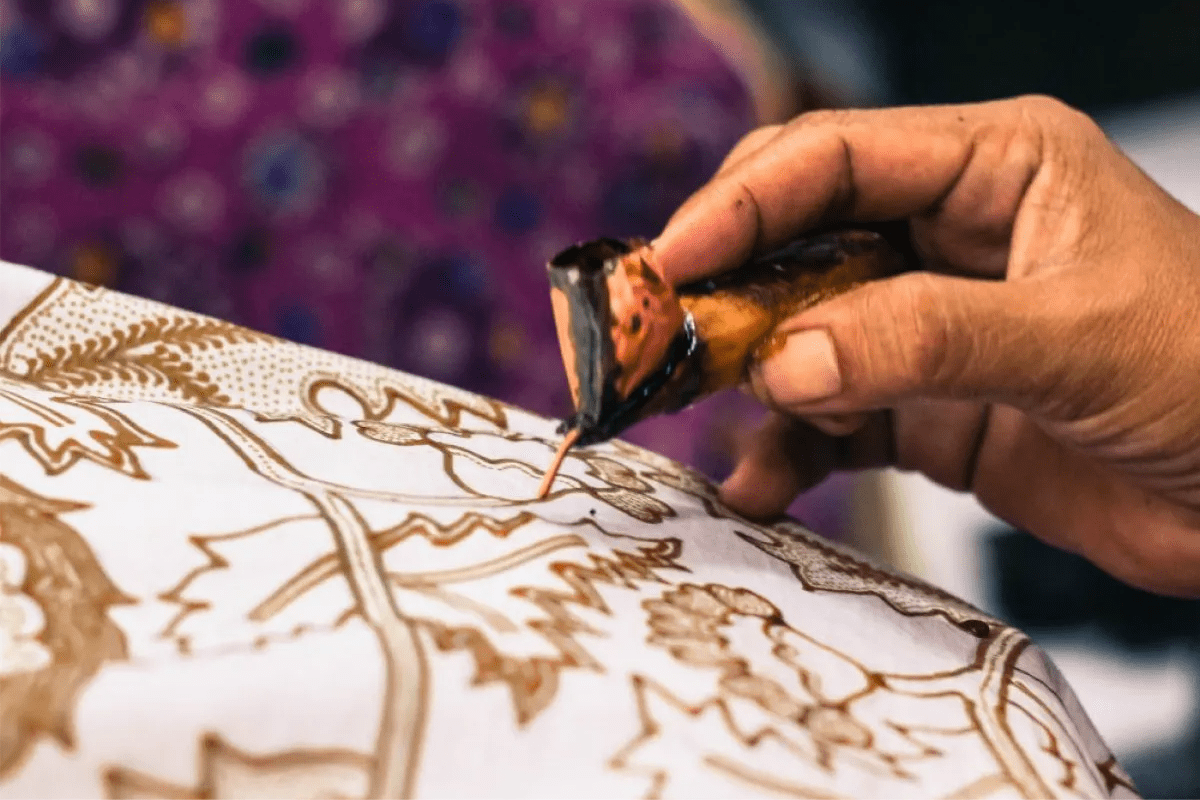
If you love ethnic fashion or beautiful artisanal pieces, you’re in for a real treat. The west wing on the ground floor is entirely dedicated to batik a textile art form recognized as part of UNESCO’s Intangible Cultural Heritage. You’ll find everything here: stylish shirts, flowing dresses, sarongs, and rolls of fabric sold by the meter.
However, keep an eye on quality to ensure you make the right choices:
- Batik printing: This is the most budget-friendly option perfect for picking up some nice little souvenirs without breaking the bank.
- Stamped batik (batik cap): Made using a copper stamp dipped in hot wax, it offers an excellent balance between authenticity and affordability.
- Hand-drawn batik (batik tulis): This is Javanese haute couture. Each pattern requires weeks of meticulous work, making it a unique piece to be cherished for a lifetime.
In addition to batik, you'll find traditional outfits like the kebaya or the surjan, as well as handmade leather bags and woven accessories. It’s the perfect place to refresh your summer wardrobe at affordable prices.
Spices, jamu, and the unusual treasures found on the upper floors
Once you’ve stocked up on textiles, head upstairs or make your way to the east wing. The atmosphere shifts dramatically, becoming even more local in character. Here, you’ll find mountains of fresh turmeric, ginger, cinnamon, and cloves, which fill the entire building with their fragrance.
It is also the kingdom of jamu, traditional herbal medicine has been used in Indonesia for centuries. Vendors prepare natural elixirs on-site, supposedly to boost your energy or soothe travel fatigue. Frankly, trying a glass of beras kencur or kunyit asem is an integral part of the experience.
Finally, if you enjoy hunting for treasures, take a look at the stalls selling antiques and vintage items. Between old coins, wayang kulit puppets, and retro brass lamps, you’ll often stumble upon some real hidden gems.
A tasty break: must-try street food specialties
Getting hungry after wandering through the aisles? Good news: a visit to Pasar Beringharjo is also an open-air culinary festival. In fact, if you’re planning your itinerary with a local travel agency in Java, be sure to ask your guide to show you their favorite stalls around the market. The best spots are often the most unassuming ones.
Here are the must-try items for a quick bite:
Pecel Senggol: This ultra-fresh vegetarian dish features crunchy vegetables coated in a slightly spicy and sweet peanut sauce. It is often enjoyed in the morning, right in front of the main entrance.
Sate Kere: Literally “poor man’s skewers,” this historic specialty is made with fermented tempeh or pieces of beef that are marinated and grilled over a wood fire. It is smoky, melt-in-the-mouth, and utterly addictive.
Gudeg: You can’t leave Jogja without trying this jackfruit stew, simmered for hours in coconut milk and palm sugar.
Kue Lupis: For a sweet treat, fall for these little sticky rice cakes, coated in grated coconut and drizzled with melted palm sugar syrup.
- Es Dawet: There’s nothing like this iced drink made with coconut milk, pandan jelly, and brown sugar to cool you down after some hard bargaining.
Many travelers choose to experience this gastronomic immersion just before heading out to explore the surrounding area for instance, by taking a tour of the Borobudur region, located about an hour’s drive away. It’s the perfect combination of urban culture and vast, lush green landscapes.
Our best practical tips for a successful visit to Pasar Beringharjo
To ensure your visit to Pasar Beringharjo goes as smoothly as possible, a few simple habits can make a real difference. The market is vast and can sometimes be intense, so it’s best to arrive well-prepared.
- Aim for the morning: The market officially opens around 8:30 a.m. and closes around 9:00 p.m., though street-food stalls begin operating as early as 6:00 a.m. Arrive between 8:30 a.m. and 10:30 a.m. to enjoy pleasant temperatures, beautiful light, and aisles that are still easy to navigate.
Negotiate with a smile: Here, bargaining is a social game, never a conflict. Start by offering about 60% to 70% of the asking price all while staying relaxed and smiling and you’ll quickly reach a mutually beneficial agreement.
Bring cash in small denominations: The vast majority of stalls do not accept bank cards. Keep 10,000, 20,000, and 50,000 Indonesian rupiah notes on hand to make your purchases easier.
Dress lightly and stay alert: It gets hot quickly inside the building. Wear breathable clothing and comfortable shoes, and keep your backpack in front of you when moving through narrower areas.
And what about after the market? Extend the adventure around Yogyakarta
Once you’ve finished your visit to Pasar Beringharjo with your arms full of batik fabrics and your belly well-fed you’ll be perfectly positioned to continue your exploration. Just a few minutes’ walk away, you can reach Fort Vredeburg, the Sultan’s Kraton, or Tamansari, the former royal water palace.
And if you’d like to end your day on a high note at sunset, head to the east of the city for a visit to the Prambanan Temple. Moving from the lively, bustling atmosphere of the Beringharjo market to the majestic, serene spires of these thousand-year-old Hindu temples creates a striking contrast. It is precisely this unique blend that makes Yogyakarta so endearing and unforgettable.
 English
 French